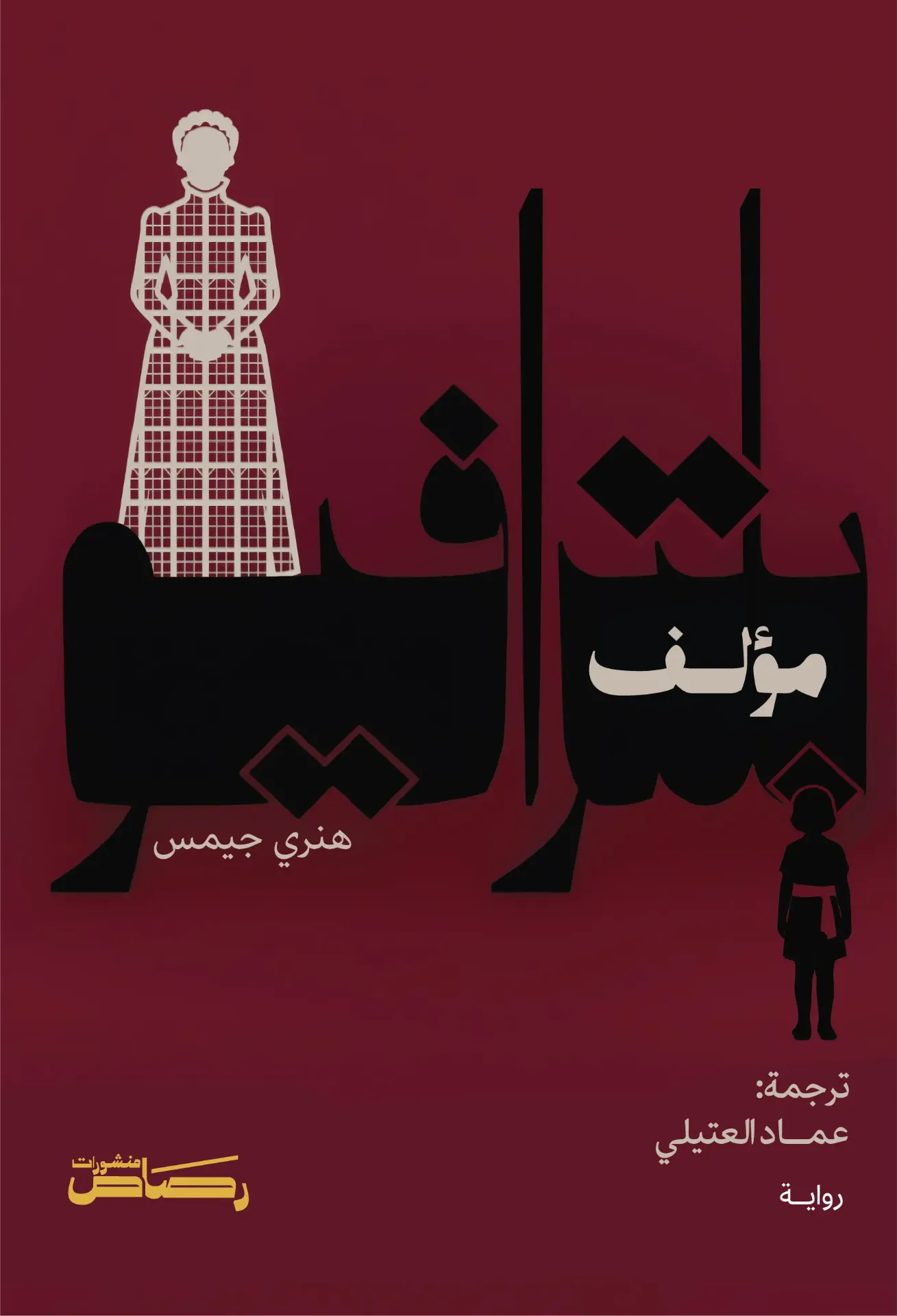
مؤلف بلترافيو
**Henry James** was one of the greatest masters of psychological fiction in English literature, a writer who redefined tension through glances, silences, and subtle emotional shifts rather than noise and dramatic pursuits. Born American and later becoming a British citizen, he became synonymous with novels that explore the depths of human consciousness more than the visible surface of life. In literary circles, he is regarded as a creator of moral gray areas, where no one is entirely innocent and no one is simply guilty. In **The Beltraffio**, James presents one of his most concentrated works—quiet, intense, and quietly devastating all at once.
The story begins with a young admirer visiting a celebrated writer whom he has long regarded from afar as the embodiment of genius. Yet the house he enters is not a sanctuary of glory, but a place of silent division. A wife who views her husband's art with moral suspicion, a writer who retreats further into isolation behind the walls of his fame, and a young child who gradually becomes the center of an invisible struggle between two opposing worlds. From the very beginning, James plants a disturbing question: **What happens when art becomes a source of conflict within the home rather than a source of illumination?**
Here lies the true power of the story. It is not merely a tale of a family disagreement, but a confrontation between two different visions of life: **Should a person be measured by what they create, or by what they are capable of giving? Does genius justify its own selfishness, or does it expose it?**
The characters rarely raise their voices, yet they slowly bleed beneath the surface. James portrays this emotional suffering with the precision of a surgeon who knows exactly where to place the blade. Every conversation appears polite, every sentence conceals a threat, and every moment of calm carries the weight of a disaster waiting to unfold. This is what makes the work so distinctive: it allows tragedy to grow quietly beneath the surface of an elegant home.
After reading, you will feel as though you have stepped out of a beautifully windowed house with air that has become impossible to breathe. The story leaves behind a lingering tension, as if you have witnessed a collapse in which no one ever raised their voice. It is a short work in length, but vast in its emotional resonance, offering the pleasure of reflection alongside questions that refuse to close easily.
And if even those closest to us may fail to understand what we create… is the admiration of strangers truly enough?
هنري جيمس